


As part of its mandate within the FAME project : Feminism, Action and Mobilisation for an Inclusive Economy, the West Africa Civil Society Institute (WACSI) has conducted field missions in Benin and Togo to evaluate the institutional capacities of feminist movements engaged in inclusive and ecological economic transitions. The missions form part of the consortium’s collective effort, led by Geres to strengthen feminist leadership and promote systemic economic reform across West Africa.
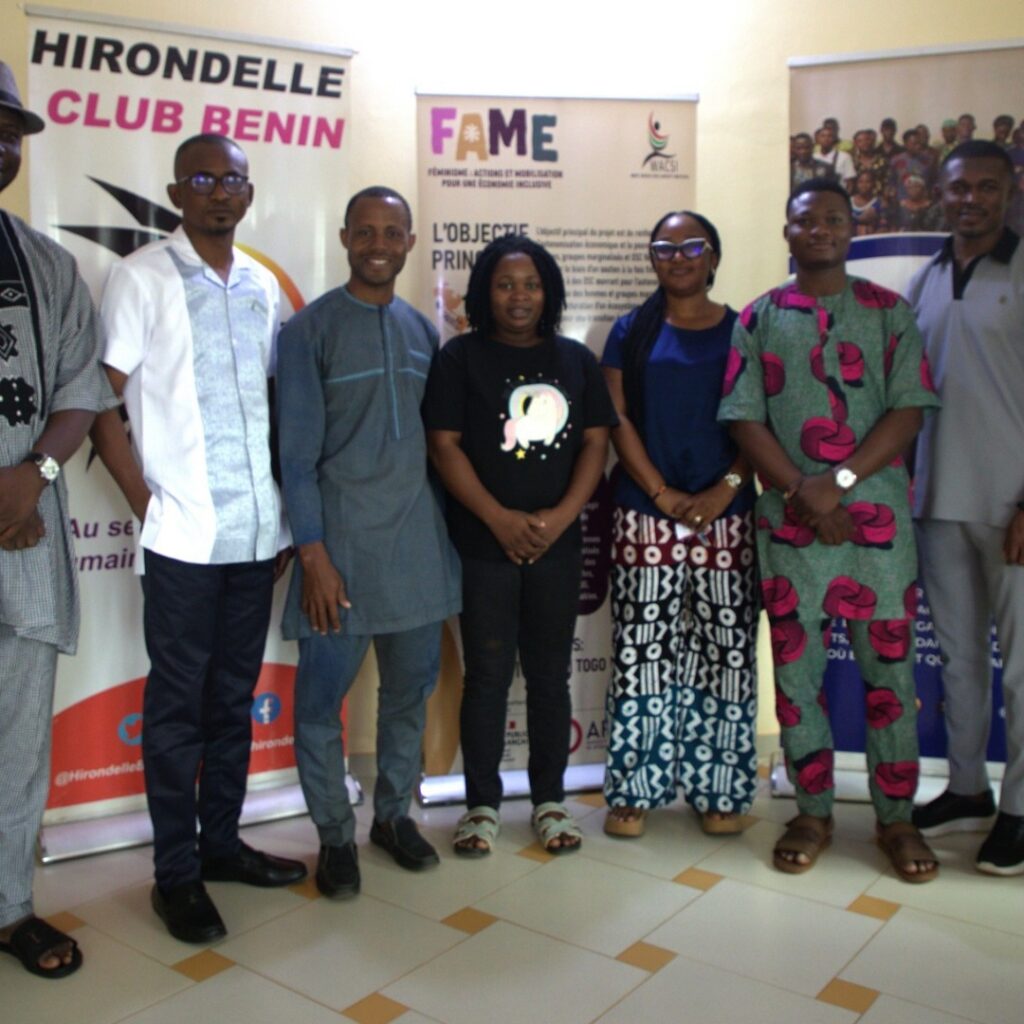
Between 20 and 25 July 2025, WACSI teams met with the preselected network organisations under Window 3 (Collective Actions for an Ecological and Inclusive Economic Transition) to assess their strengths, identify institutional gaps, and outline tailored support measures. This work aligns with WACSI’s regional role in strengthening feminist civil society organisations and ensuring that advocacy efforts are grounded in robust governance, accountability, and sustainability practices.
The FAME project, funded by the Agence Française de Développement (AFD), operates across several West African countries through a consortium structure in which each partner contributes specific expertise. In West Africa, WACSI leads on civil society strengthening and movement building, while Geres supports organisations in integrating ecological and climate considerations into their economic justice advocacy. Ensuring that both dimensions, feminist organising and ecological transition—are coherently embedded in national-level actions is a central objective of the project.
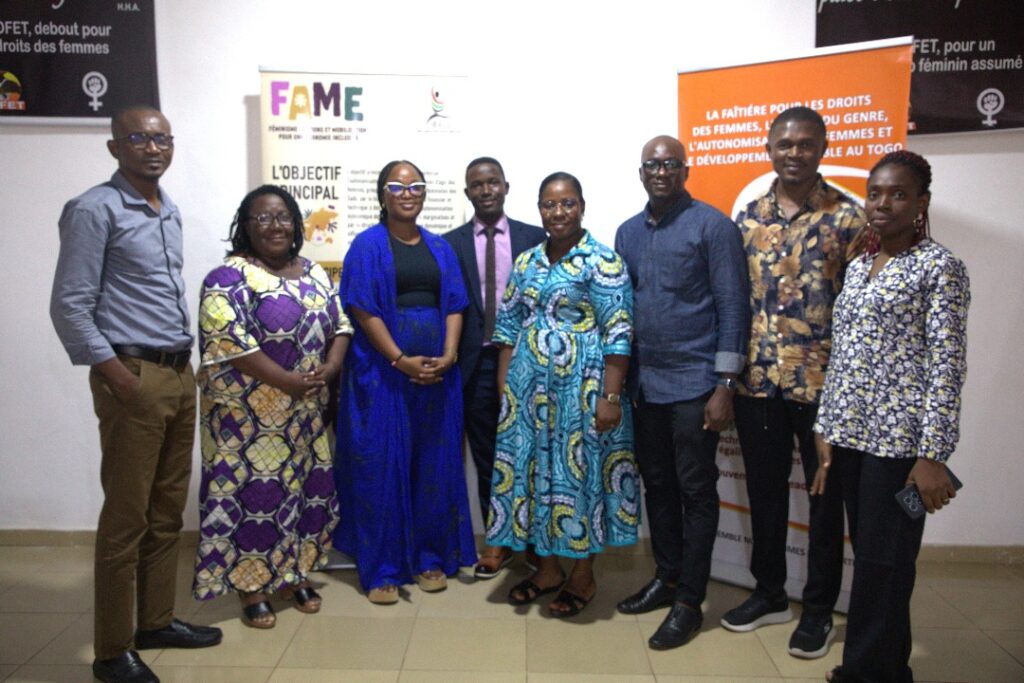
The recent assessments in Benin and Togo highlighted both promising progress and persistent challenges. While grassroots achievements demonstrate strong feminist mobilisation, WACSI identified systemic gaps that could undermine long-term impact. Organisations across both countries were encouraged to reinforce strategic planning, improve monitoring and evaluation systems, and strengthen inclusive governance frameworks within their networks.
Environmental sustainability also emerged as an area requiring greater attention. “We have observed that the environmental aspect is being overlooked, even though we are all experiencing the effects of climate change,” noted Ulrich Sourou, a feminist leader in Benin. This reinforces the importance of Geres’ contribution to the consortium ensuring that ecological priorities are integrated into feminist economic advocacy for more durable and context-sensitive outcomes.
The mission further underscored the need for stronger financial management, clearer proposals and budgets, and improved safeguarding and compliance systems. Building these competencies is essential not only for organisational resilience but also for scaling influence at national and regional levels.
In Togo, network representatives demonstrated how local advocacy is already generating tangible results. “In the area of sanitation, we carried out advocacy to ensure that some of these municipalities have waste disposal sites,” shared Blandine Sintondji Yaya, a national coordinator. Such initiatives show how feminist actors are responding to immediate community needs while contributing to systemic transformation.
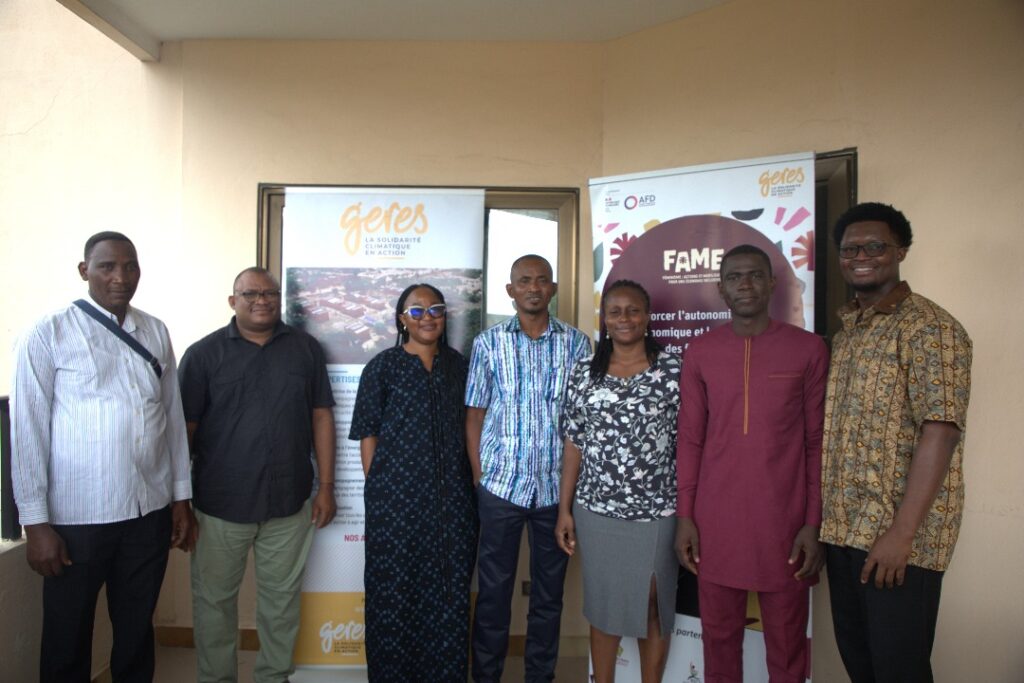
Visit of WACSI team in the office of Geres Benin
In Benin, women-led organisations showcased their work in peacebuilding, security, and local accountability areas where feminist leadership is increasingly shaping public dialogue and community outcomes.
Insights from these missions will directly inform the next phase of the FAME project, guiding both funding allocations and targeted capacity-strengthening actions. The consortium aims to channel support to feminist movements that are driving inclusive economic reform, ensuring that both ecological and gender equality perspectives remain central to national and regional policy processes.
As the project advances, WACSI, Geres, and consortium partners will continue working alongside national feminist organisations to ensure they combine their grassroots legitimacy with the institutional strength needed to influence the future of inclusive economies in West Africa.

