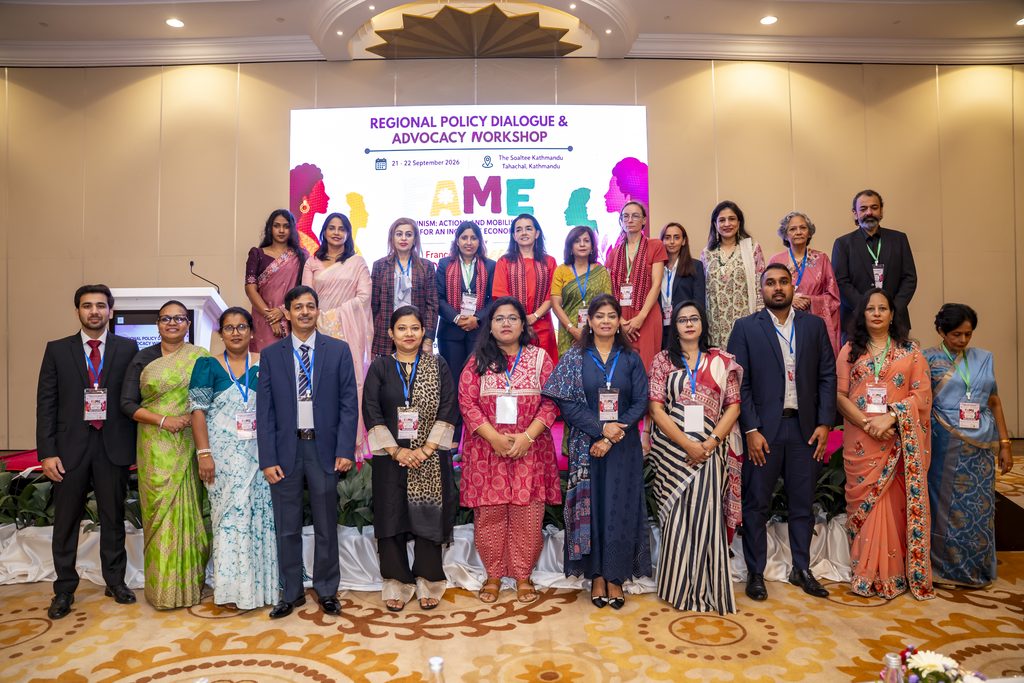

Kathmandu, Nepal | 21–22 September 2026
How can countries work together to create an environment in which every woman has the opportunity to become an entrepreneur, develop her business and participate in economic decision-making? This question was at the heart of the Regional Policy Dialogue and Advocacy Workshop 2026, which brought together more than 100 participants from across South Asia.
Organized by the South Asian Women Development Forum (SAWDF) under the FAME Project initiative “Advocating for Change: Women’s Economic Empowerment through Collective Action,” funded by the French Development Agency (AFD), the workshop provided a platform for civil society organizations, government institutions, development partners, women entrepreneurs, business associations, private-sector representatives and policy experts to exchange experiences and strengthen regional advocacy.
Over two days, participants discussed the achievements and challenges of project implementation, shared advocacy initiatives and good practices, and identified common priorities for improving women’s economic opportunities across Bangladesh, Nepal, Pakistan, Sri Lanka, India, Bhutan and the Maldives.
Building a shared vision for women’s economic empowerment
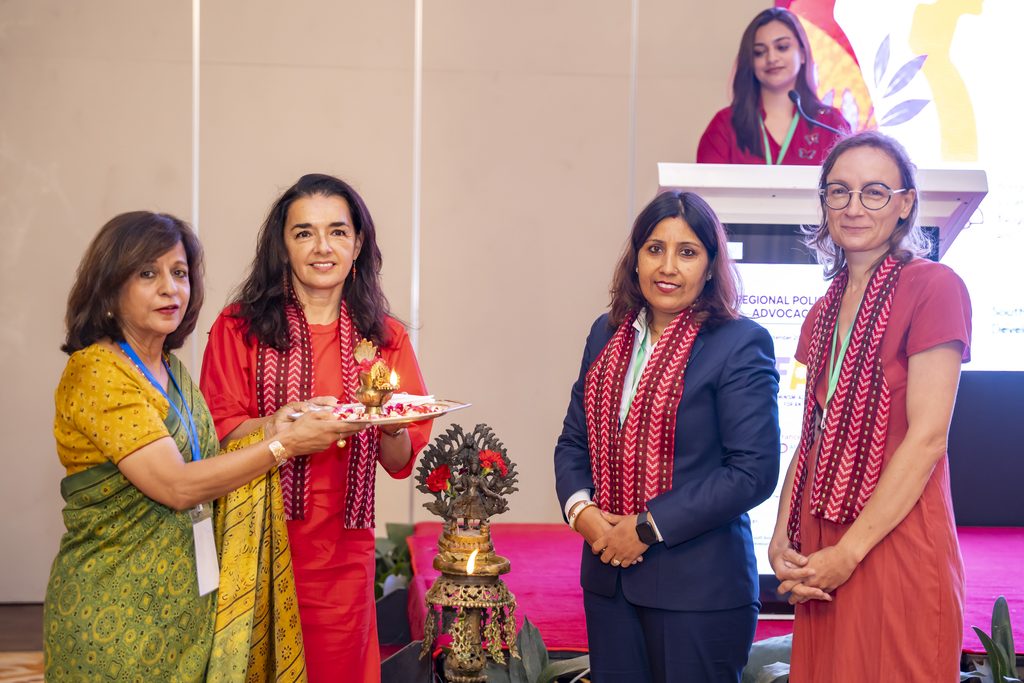
The workshop opened with the traditional lighting of Panas, marking the beginning of two days of regional dialogue and exchange.
In her welcome address, Ms. Pramila Acharya Rijal, President of SAWDF, invited participants to imagine a region where every woman has the opportunity to rise, lead and prosper. She highlighted the importance of regional collaboration and intra-regional networks in advancing women’s entrepreneurship and achieving the Sustainable Development Goals.
She also emphasized that women across South Asia face common structural and socio-economic barriers, including deeply rooted patriarchal norms. Addressing these challenges requires countries to work beyond their national boundaries, amplify women’s voices and develop collective advocacy strategies.
Ms. Marina Dubois, representing GERES, highlighted the links between women’s economic empowerment, access to finance, inclusion and sustainable development. She emphasized that supporting women entrepreneurs creates benefits beyond individual businesses, enabling women to inspire others and contribute to the economic well-being of their families and communities.
From the perspective of the host country, Ms. Anju Pokhrel, Undersecretary at Nepal’s Ministry of Industry, Commerce and Supplies (MOICS), highlighted the growing participation of women in micro, cottage and small industries, where women account for more than 29% of enterprises. She presented government initiatives supporting business establishment, capacity development and opportunities for women to showcase their products.
H.E. Françoise Puig-Inza, Ambassador-designate of France to Nepal, reaffirmed France’s commitment to gender equality and women’s empowerment through international cooperation. She stressed the importance of civil society and women-led organizations in bringing women’s experiences into policy discussions and advocating for meaningful institutional change.
Together, these opening contributions established a common direction for the workshop: strengthening cooperation between institutions and organizations to ensure that women’s economic empowerment translates into tangible opportunities.
Shared Roadblocks Across Borders
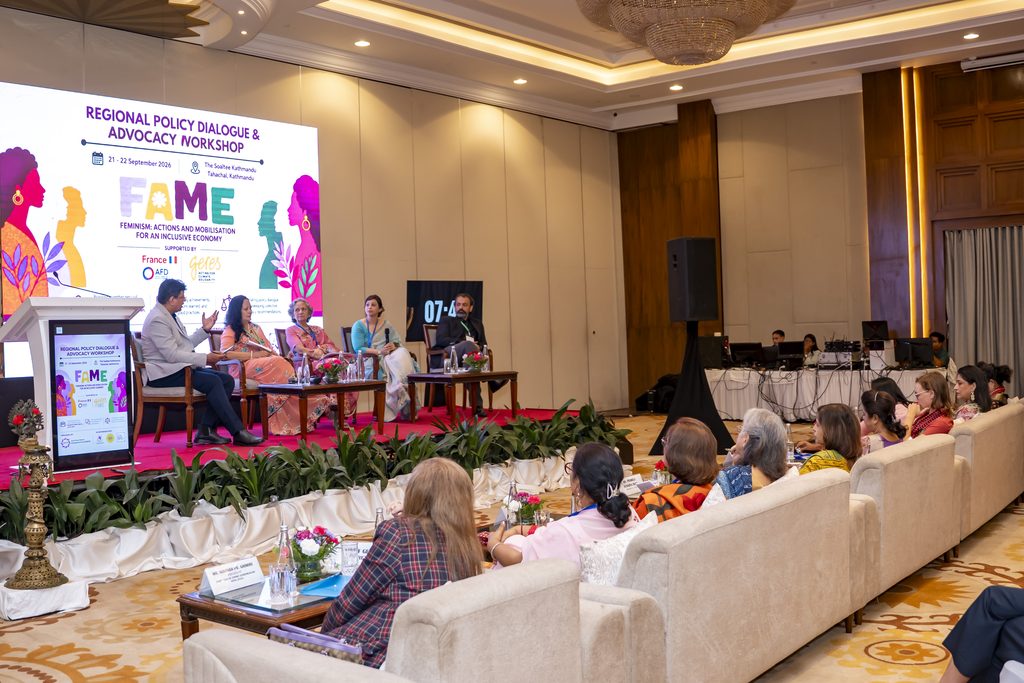
The first part of the meeting provided an opportunity to compare the experiences of four pilot countries in the FAME project. Despite distinct political and economic contexts, one thing is clear: South Asian women entrepreneurs face the same barriers. Access to credit remains hampered by the requirement for land collateral—even though women rarely hold title deeds—while cumbersome administrative procedures, the digital divide, and the burden of unpaid domestic work limit their growth.
- In Bangladesh, assessments conducted at the district level have shown that providing microfinance alone is not enough. Access to financial services must be accompanied by technical training, legal awareness, and genuine access to markets.
- In Nepal, a host country where women run more than 29% of micro, small, and artisanal enterprises according to the Ministry of Industry, local organizations (Manushi Nepal and WEAN) have focused on building digital skills and engaging in direct dialogue with local authorities, while highlighting the vulnerability of women entrepreneurs to climate-related risks.
- In Pakistan, evidence-based advocacy led by the Naqaash Foundation resulted in a concrete breakthrough: the expansion of Punjab’s e-Biz digital portal to include NGOs, creating a one-stop shop for registration. But experience also shows that simply creating public mechanisms is not enough; women entrepreneurs must also be aware of them.
- In Sri Lanka, the Chamber of Commerce for Women Entrepreneurs (CCWE) has highlighted three major institutional shortcomings: a lack of coverage (marginalized microenterprises remain off the radar), a disconnect between progressive laws and their actual implementation, and a fragmentation of service points that forces project leaders to deal with multiple points of contact.
The “Finance Plus” Approach as a Lever for Empowerment
To overcome these obstacles, the workshop also drew on best practices developed in India, Bhutan, and the Maldives—industrial parks dedicated to women, decentralized cooperatives, and e-commerce platforms.
From these discussions, a consensus emerged around the so-called “Finance Plus” approaches, supported in particular by international partners such as GERES and France, whose ambassador-designate to Nepal, Françoise Puig-Inza, reaffirmed the commitment to gender equality. The idea is simple: financial capital only bears fruit when it is combined with mentoring, strategic guidance, and integration into professional networks. Participants cautioned, however, against the temptation to simply copy and paste solutions: each model must be adapted to local institutional frameworks and needs.
From Country Experiences to a Shared Regional Advocacy Agenda
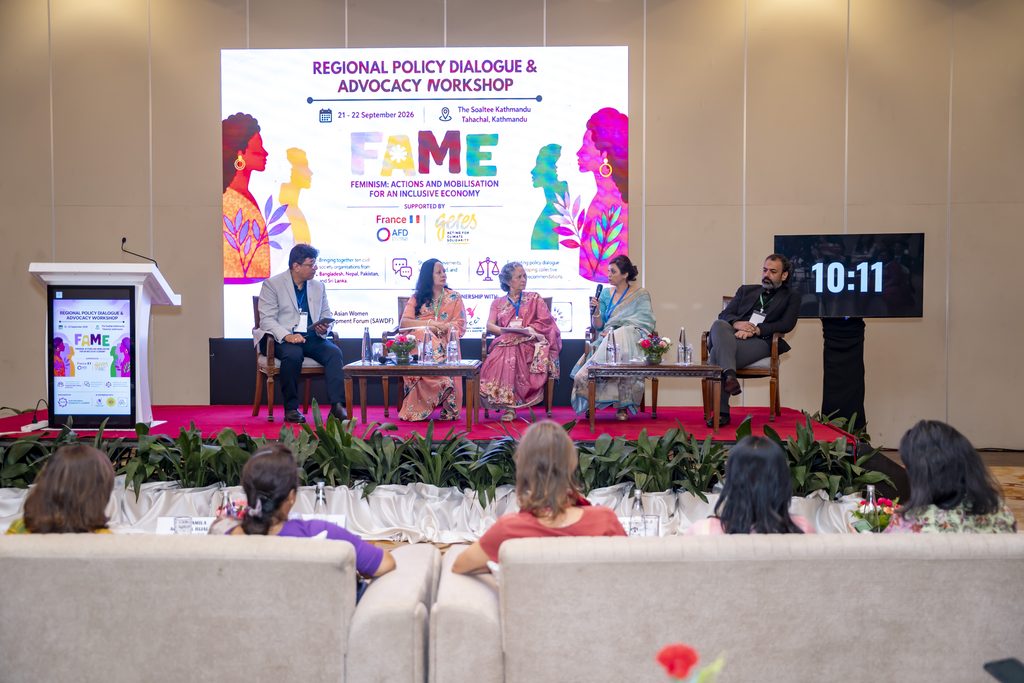
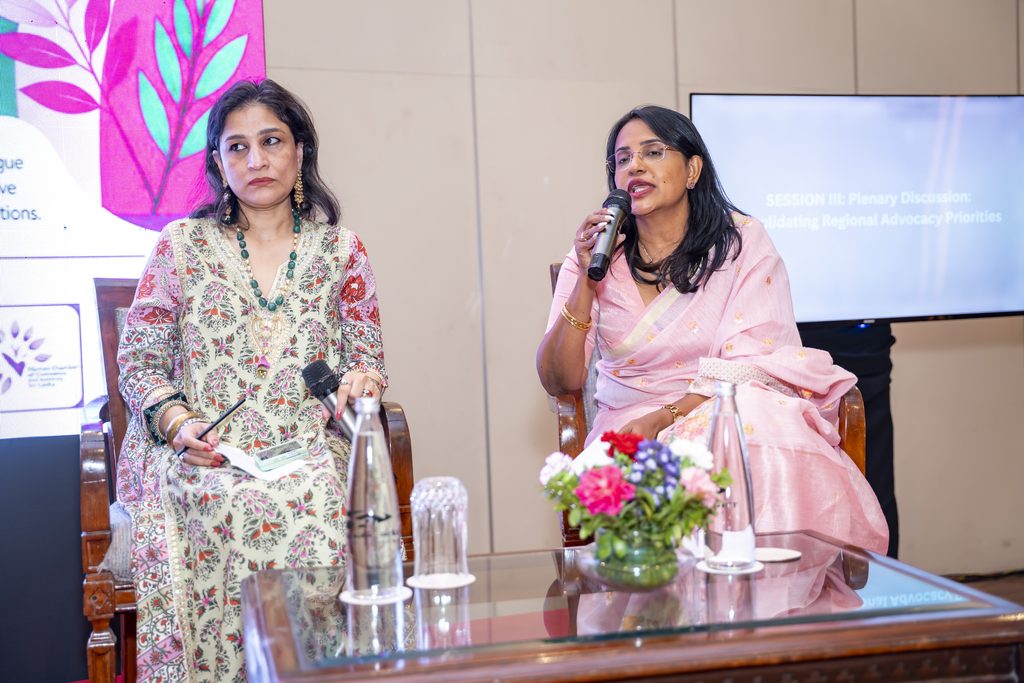
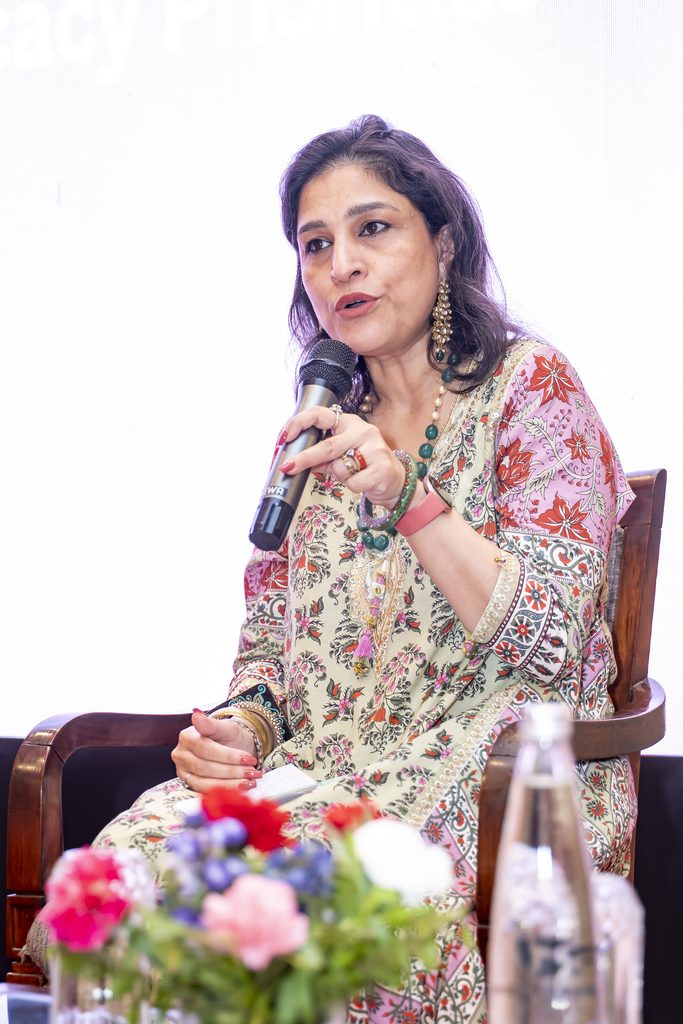
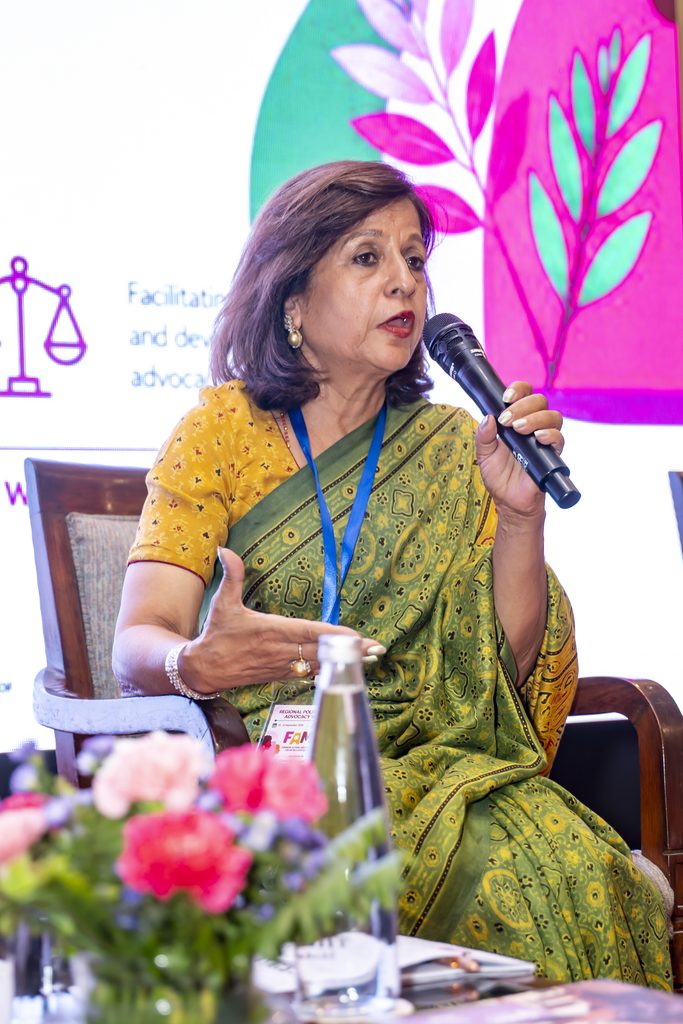
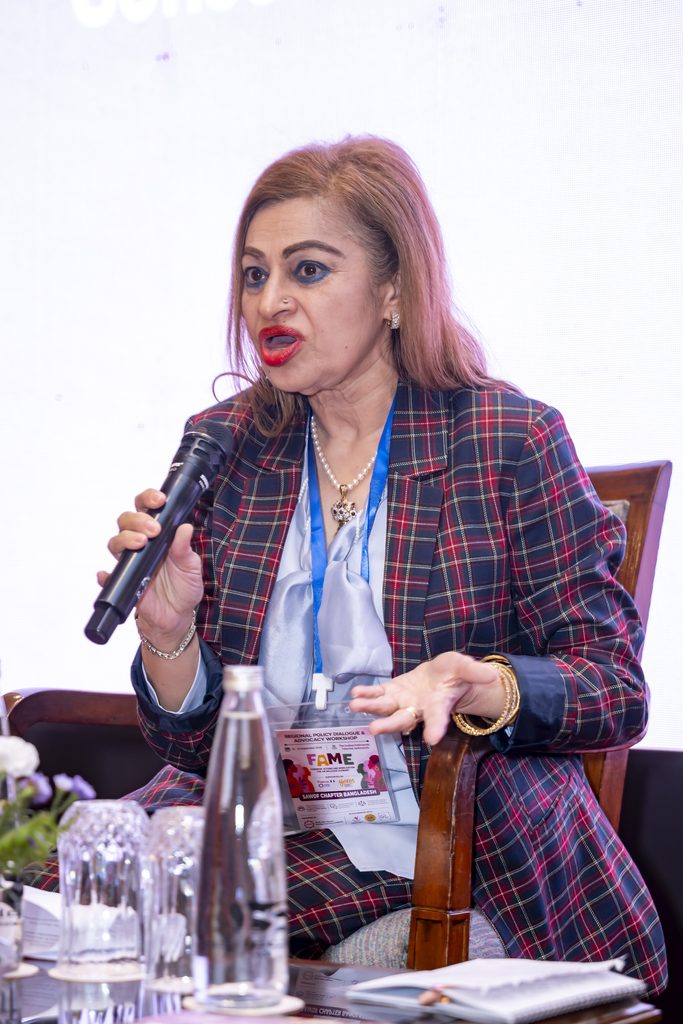
Building on these country insights, Session III brought together Naaz Farhana Ahmed (Bangladesh), Pramila Acharya Rijal (Nepal), Prof. Maryyam Khan (Pakistan), and Dr. Ayanthi Gurusinghe (Sri Lanka) to chart a path toward stronger regional collaboration. One central takeaway dominated the discussion: the priority is no longer simply drafting supportive policies, but ensuring their effective implementation.
To achieve this, the panel put forward four structural levers:
- Connecting Value Chains and Driving Innovation: Panelists explored the potential of artificial intelligence (AI), emerging technologies, research and development (R&D), and import substitution to bolster women-led enterprises. As Prof. Maryyam Khan noted, strengthening supply-chain linkages across South Asian borders offers a major opportunity to expand commercial markets.
- Establishing a Regional Incubation Mechanism: Discussions highlighted the value of a cross-border incubation framework capable of providing sustained support—including mentoring, business development services, and access to regional networks.
- Positioning Civil Society as a Bridge: Beyond advocating for regulatory reform, CSOs must help women entrepreneurs navigate and tap into existing government facilities, including public incubation services.
- Strengthening Grassroots Research: Speakers called for deeper documentation and research at the grassroots, national, and regional levels so that women’s lived experiences directly inform policy execution, while fostering peer learning across countries, as emphasized by Dr. Ayanthi Gurusinghe.
Turning Regional Dialogue into Collective Action
By the end of the two-day gathering, the Kathmandu workshop made clear that while support policies exist across South Asia, major gaps persist in accessibility, awareness, coordination, and delivery.
To move beyond experience-sharing and turn national advocacy into collective regional clout, participants agreed on a decisive next step championed by Pramila Acharya Rijal: consolidating findings and recommendations from all participating countries into a comprehensive regional report. This document will serve as a shared advocacy framework to engage governments and institutional stakeholders directly.
Through the FAME Project, SAWDF and its partners reaffirmed their ambition: leveraging grassroots engagement, digital innovation, and multi-stakeholder cooperation between states, businesses, and civil society to build a more inclusive, sustainable South Asian economy where women do not merely access opportunities—they shape economic decisions.