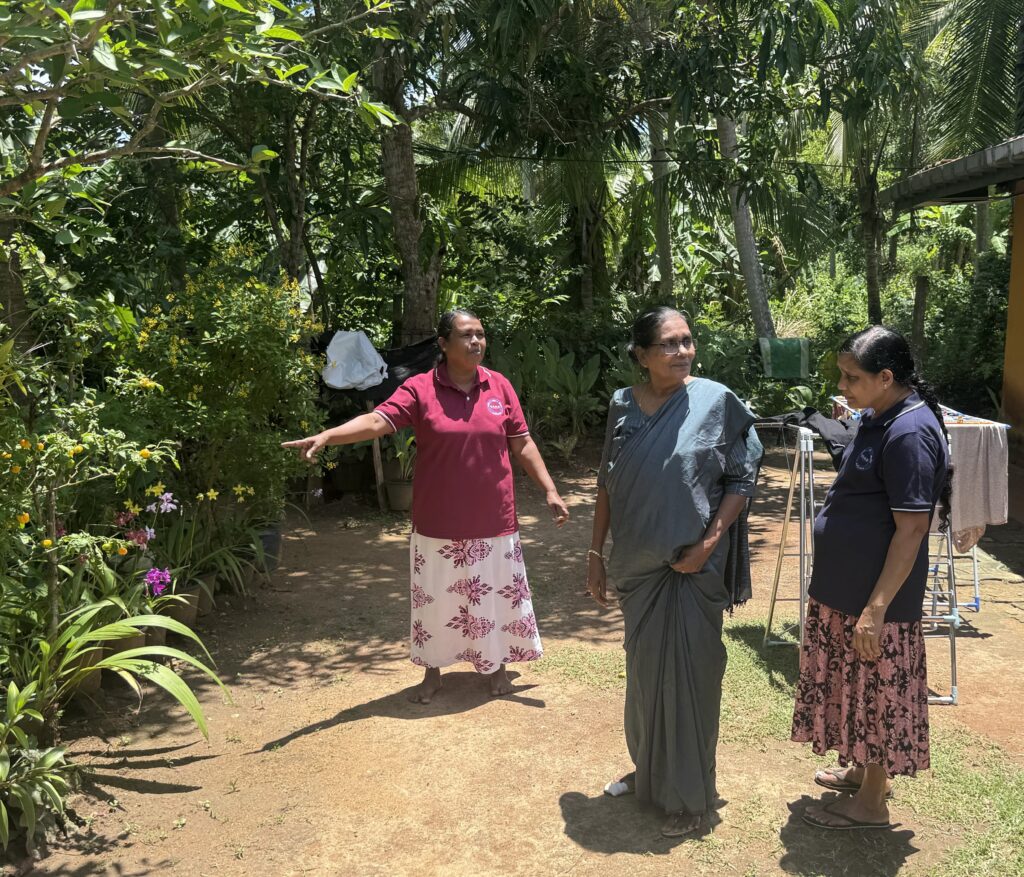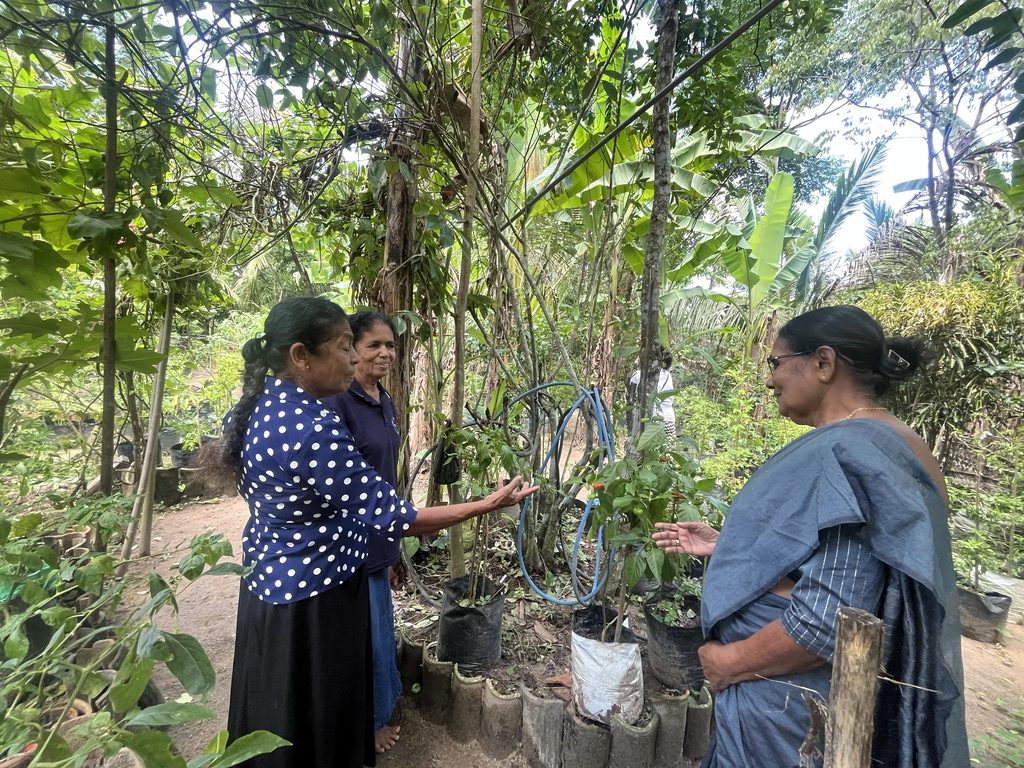

Antes del Día del Emprendimiento Femenino, que se celebra el 19 de noviembre, publicamos una entrevista con la Sra. Daya Dadallage, fundadora de la Organización de Mujeres Rurales de Ruhunu (RRWO), cuya trayectoria de 42 años se ha centrado en crear oportunidades económicas y reforzar la independencia de las mujeres rurales de Sri Lanka.
In 1984, under a banyan tree in the village of Dikkumbura, in Sri Lanka’s Hambantota District, 21 rural women gathered for their first meeting. This was the beginning of the Ruhunu Rural Women’s Organization (RRWO), founded by Mrs Daya Dadallage, a former farmer who wanted to address the challenges faced by women in her community.
At the time, poverty, limited access to education, unemployment and few opportunities to participate in decision-making shaped the daily lives of many rural women. Mrs Dadallage believed they needed a space to come together, share their experiences, discuss their challenges and find solutions collectively.
Drawing on her own experience in agriculture, she gradually built an organisation dedicated to bringing rural women together, improving their living conditions and strengthening their economic independence.
But who better to tell this story than the woman who started it all?
“My name is Mrs Daya Dadallage. I am the founder and President of the Ruhunu Rural Women’s Organization, which was established in 1984. For more than four decades, I have been working to bring rural women together, address their challenges, and improve their social and economic conditions. My main commitment has always been to empower women, help them recognise their abilities, and create opportunities for them to become independent and confident members of society.”
Giving Rural Women a Voice and an Opportunity
Her commitment began with what she witnessed every day in her community. She saw rural women working hard for their families, yet having few opportunities to earn their own income or make independent decisions about their lives.
“I was inspired by the difficulties faced by rural women in their everyday lives. I saw that many women worked hard for their families but had very few opportunities to earn their own income or make independent decisions. I strongly believed that women should not depend entirely on others. They should have opportunities to develop their skills, earn an income, and make decisions about their own lives.”
For Mrs Dadallage, supporting women’s economic empowerment has always been about more than improving their financial situation. It is also about giving them the means to make their own choices and positively influence their families and communities.
“Even today, after many years, I continue this work because I believe that empowering one woman can positively influence an entire family and community.”
Entrepreneurship: more than earning an income
For Mrs Dadallage, women’s entrepreneurship goes beyond starting a business or generating income. It is also about building confidence, independence, leadership and decision-making abilities.
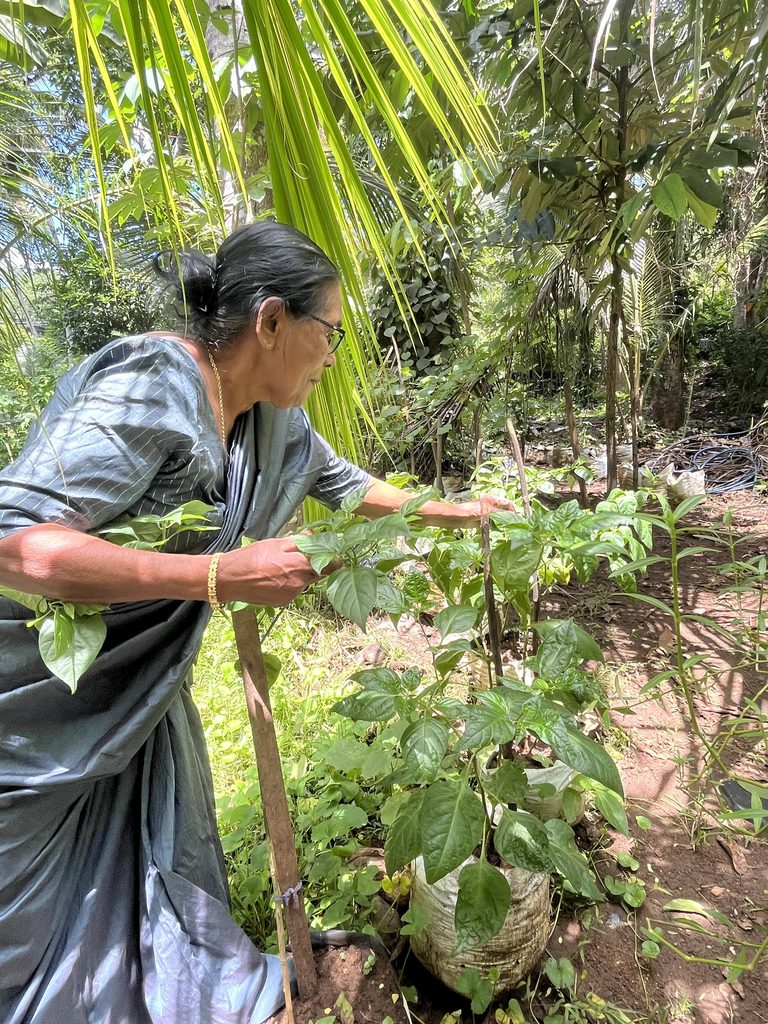
Through RRWO, women are supported in developing income-generating activities suited to their skills, interests and available resources. These include home gardening, small-scale agricultural activities and food production.
“To me, women’s entrepreneurship means giving women the freedom and opportunity to use their knowledge, skills, and creativity to create their own income. It is not only about starting a business or earning money. It is also about building confidence, independence, leadership, and decision-making abilities.”
Through the FAME project, RRWO supported 75 women entrepreneurs during the first phase and is currently supporting 150 women in the ongoing phase. In particular, home gardening activities provide women with vegetable plants, seedlings and practical training. They can grow food for their families, reduce household expenses and sell surplus produce to generate additional income.
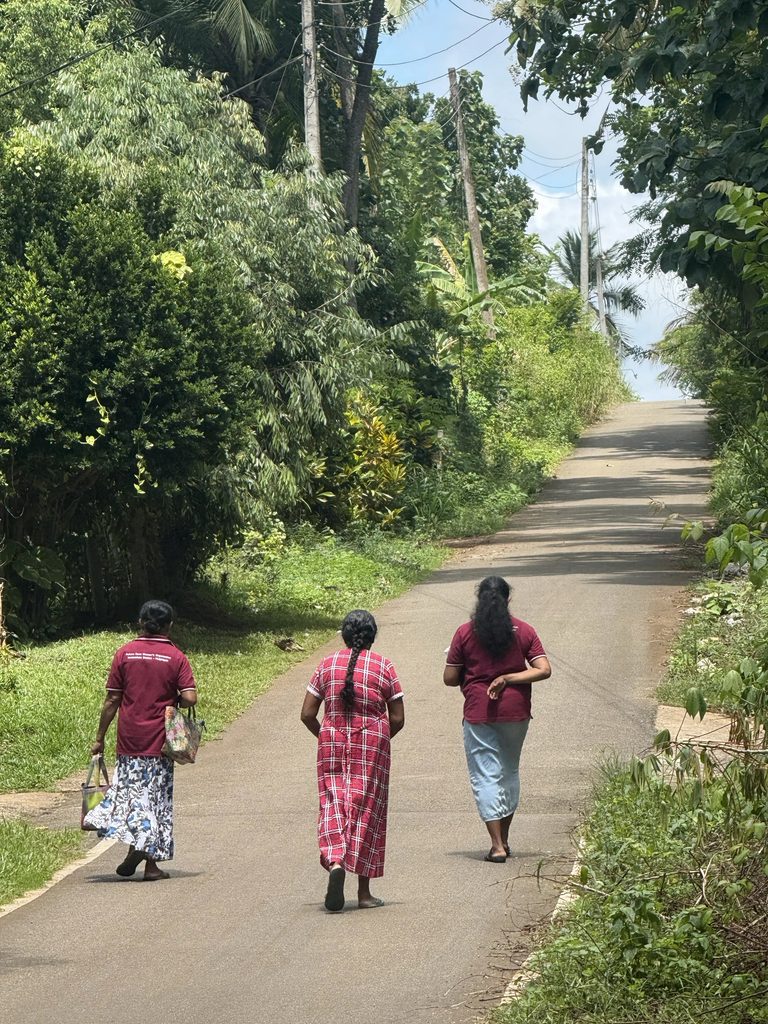
When women become more independent, communities grow stronger
After more than four decades of commitment, Mrs Dadallage has witnessed changes in women’s confidence, economic participation and involvement in decision-making within their families and communities.
Her vision for the future is to see more rural women become economically independent, develop their skills, access markets and take on leadership roles.
Changing women’s lives, one opportunity at a time
For Mrs Dadallage, the impact of these initiatives cannot be measured through income alone. Access to economic opportunities can also transform women’s confidence, their role within their households and their participation in community life.
“When women start earning their own income, they become more confident and independent. They gain greater opportunities to participate in family decisions, including household expenses, children’s education, savings, and future planning.”
“True women’s empowerment is not only about earning money. It is about having a voice, making decisions, and being respected as an equal member of society.”
Through their involvement in income-generating activities and local organisations, women can develop new skills, express their opinions more confidently and take on leadership roles. They can also gain greater recognition within their families and communities.
Mrs Dadallage also highlights the importance of family and community support. Although some men were initially unfamiliar with the idea of women’s economic empowerment, attitudes have gradually changed. Some husbands and family members now contribute by sharing household responsibilities, helping with gardening activities or providing transport.
For her, women’s empowerment is therefore not only a matter for women themselves: it is a shared responsibility that benefits the whole family and community.
Looking Ahead: Continuing the Journey of Women’s Empowerment
After more than four decades of commitment, Mrs Dadallage hopes to see more women become economically independent, develop their skills, establish successful businesses and gain better access to markets. She also wants RRWO to continue reaching women facing the greatest difficulties and to encourage a new generation of women leaders.
Her message to women who want to start their own activities is simple: believe in yourselves, make use of the resources you already have and do not be discouraged by challenges.
“Believe in yourselves and never give up on your dreams. You do not need a lot of money or resources to begin something. You can start with the skills, knowledge, and resources you already have. Do not be afraid of challenges or failure. Keep learning, work together, and support one another. When women stand together, they can overcome many challenges and create a better future.”
“My dream is to see the next generation of women continue this journey and become strong leaders in their communities.”
From the 21 women who first gathered under a banyan tree in 1984 to the women supported today through RRWO and the FAME project, this journey reflects the power of collective action, economic opportunities and women’s determination to shape their own futures.
As Mrs Dadallage reminds us: “When women are empowered, families become stronger, communities become stronger, and the whole society moves forward.”